

Doubly Linked List in C++ with Real-Time Examples | Complete Guide (Insertion, Deletion, Traversal)
Introduction
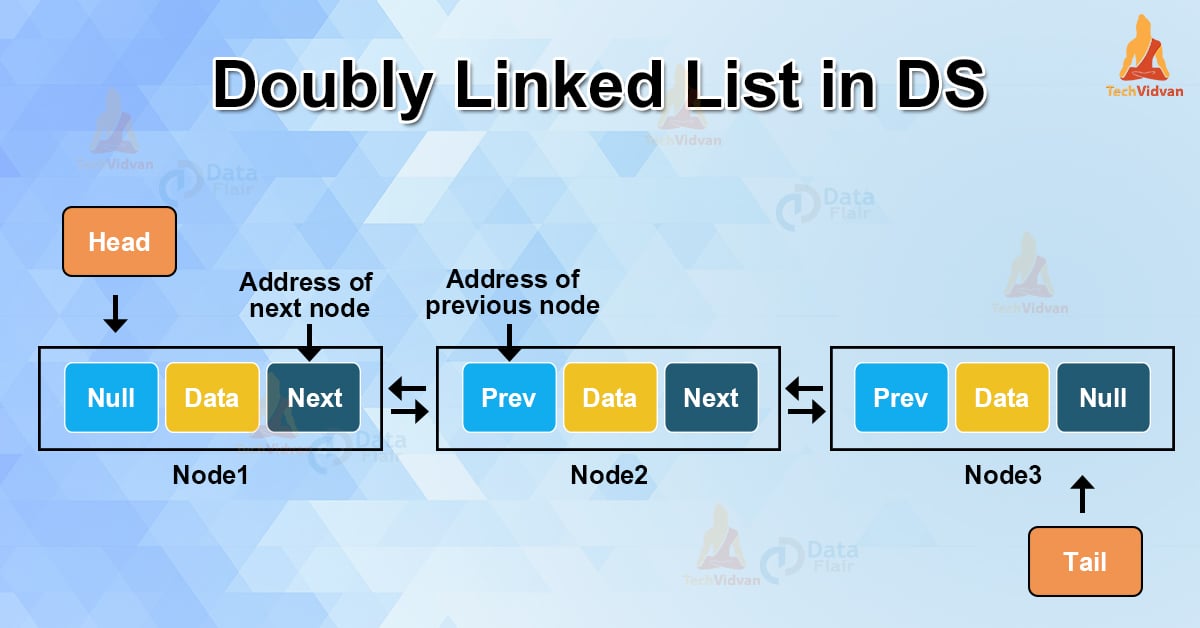
A Doubly Linked List (DLL) is a type of linear data structure where each node contains:
-
Data
-
Pointer to the previous node
-
Pointer to the next node
Unlike a singly linked list, it allows bidirectional traversal, making operations more flexible.
Objective
This lab session helps you understand and implement:
-
Creation of a doubly linked list
-
Insertion operations
-
Deletion operations
-
Traversal of nodes
DS LAB 02: Singly Linked List in C++ | Data Structures Lab with Objectives and Operations
Structure of a Node
struct Node {
   int data;
   Node* prev;
   Node* next;
};
Complete C++ Implementation
1. Creation of Doubly Linked List
#include <iostream>
using namespace std;

struct Node {
    int data;
    Node* prev;
    Node* next;
};

Node* head = NULL;

Node* createNode(int value) {
    Node* newNode = new Node();
    newNode->data = value;
    newNode->prev = NULL;
    newNode->next = NULL;
    return newNode;
}
2. Insertion Operations
Inset at Beginning
void insertAtBeginning(int value) {
    Node* newNode = createNode(value);

    if (head == NULL) {
        head = newNode;
    } else {
        head->prev = newNode;
        newNode->next = head;
        head = newNode;
    }
}
Insert at End
void insertAtEnd(int value) {
    Node* newNode = createNode(value);

    if (head == NULL) {
        head = newNode;
        return;
    }

    Node* temp = head;
    while (temp->next != NULL) {
        temp = temp->next;
    }

    temp->next = newNode;
    newNode->prev = temp;
}
Insert at Specific Position
void insertAtPosition(int value, int pos) {
    if (pos == 1) {
        insertAtBeginning(value);
        return;
    }

    Node* newNode = createNode(value);
    Node* temp = head;

    for (int i = 1; i < pos - 1 && temp != NULL; i++) {
        temp = temp->next;
    }

    if (temp == NULL) {
        cout << "Position not found\n";
        return;
    }

    newNode->next = temp->next;
    newNode->prev = temp;

    if (temp->next != NULL)
        temp->next->prev = newNode;

    temp->next = newNode;
}
3. Deletion Operations
Delete from Beginning
void deleteFromBeginning() {
    if (head == NULL) return;

    Node* temp = head;
    head = head->next;

    if (head != NULL)
        head->prev = NULL;

    delete temp;
}
Delete from End
void deleteFromEnd() {
    if (head == NULL) return;

    Node* temp = head;

    while (temp->next != NULL) {
        temp = temp->next;
    }

    if (temp->prev != NULL)
        temp->prev->next = NULL;
    else
        head = NULL;

    delete temp;
}
Delete Specific Value
void deleteValue(int value) {
    if (head == NULL) return;

    Node* temp = head;

    while (temp != NULL && temp->data != value) {
        temp = temp->next;
    }

    if (temp == NULL) {
        cout << "Value not found\n";
        return;
    }

    if (temp->prev != NULL)
        temp->prev->next = temp->next;
    else
        head = temp->next;

    if (temp->next != NULL)
        temp->next->prev = temp->prev;

    delete temp;
}
4. Traversal of Nodes
Forward Traversal
void displayForward() {
    Node* temp = head;

    while (temp != NULL) {
        cout << temp->data << " <-> ";
        temp = temp->next;
    }
    cout << "NULL\n";
}
Backward Traversal
void displayBackward() {
    Node* temp = head;

    if (temp == NULL) return;

    while (temp->next != NULL) {
        temp = temp->next;
    }

    while (temp != NULL) {
        cout << temp->data << " <-> ";
        temp = temp->prev;
    }
    cout << "NULL\n";
}
Main Function (Testing)
int main() {
    insertAtBeginning(10);
    insertAtBeginning(5);
    insertAtEnd(20);
    insertAtPosition(15, 3);

    cout << "Forward: ";
    displayForward();

    cout << "Backward: ";
    displayBackward();

    deleteFromBeginning();
    deleteFromEnd();
    deleteValue(15);

    cout << "After Deletion: ";
    displayForward();

    return 0;
}
Advantages of Doubly Linked List
✔ Traversal in both directions
✔ Easier deletion compared to singly linked list
✔ Efficient for navigation systems
Disadvantages
❌ Extra memory required for prev pointer
❌ More complex implementation
https://onlineskilllab.com/2026/02/21/circular-linked-list-in-c-with-real-time-example-complete-guide-creation-insertion-deletion-traversal/
Stay updated with the latest tutorials, practical coding examples, and expert insights in programming and technology. Subscribe to our blog today and never miss valuable content that can enhance your skills and knowledge. Join our learning community and take your expertise to the next level!